
How to Become a Tattoo Artist?
In this article:
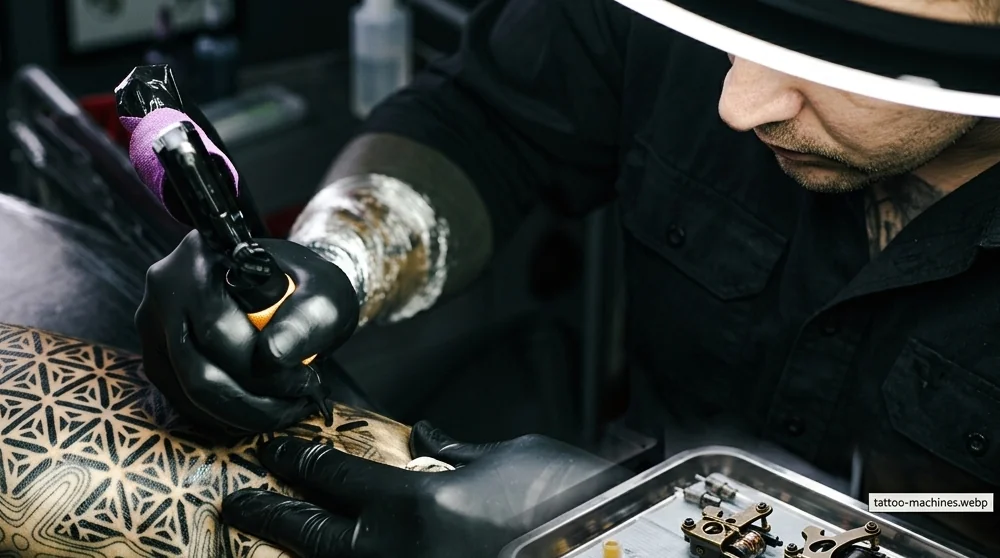
To become a professional tattoo artist requires a lot of hard work, patience, and determination. It is a commitment that requires many hours of practice. Most of the day is spent drawing, talking with clients, and working under a light. It takes time to build a steady client base, but it can be a rewarding career choice for anyone who loves art and design.
There are no school requirements or specific degrees needed to become a tattoo artist. If you love to draw, have a steady hand, and have the patience to sit for long hours, you have the basic requirements to begin.
1. Core requirements: Beyond the drawing board
To work in a tattoo studio, you need a few key personal qualities:
- A creative mind: To be able to create new ideas and unique sketches for customers.
- Patience and observation: To take time to learn, observe details, and maintain a steady hand.
- Good communication skills: To listen to clients, understand their stories, and work well with the studio team.
2. Professional skills and technical knowledge
Becoming a tattoo artist involves more than just drawing; it requires technical knowledge. Tattoo artists need to learn about:
- Anatomy and placement: To understand how a design fits on different parts of the body and how the skin moves.
- Hygiene and safety: To learn about cleanliness, skin care, and how to keep a clean studio workspace to protect clients and yourself.
3. How to build a standout design portfolio
Your portfolio is your resume. It is a collection of your drawings that shows your skills to a studio. Because clients want different types of tattoos, your portfolio should include different styles.
Include sketches, geometric designs, lettering, and portraits. A helpful exercise is to practice drawing things you do not like. This challenges your creativity and prepares you for the different types of customer requests you will receive.
4. Finding a tattoo apprenticeship
Once you have a portfolio, the next step is to find an apprenticeship. Learning from an experienced artist in a studio is the traditional way to learn how to tattoo safely and correctly.
You can look for an apprenticeship by visiting local shops, showing your drawings, or contacting artists online. Many artists start by helping out around the shop and learning the studio atmosphere before they begin to tattoo.
5. Navigating health regulations and licensing
To work professionally, you must get licensed. The requirements are different depending on your city or country.
Generally, you need to take a training course about health, hygiene, and safe practices. Local health departments will also have rules about how to set up your workspace to ensure it meets fire, safety, and health regulations. Once you complete these steps, you will be licensed and ready to work in a studio.
"While becoming a tattoo artist requires hard work and practice, it is an independent and rewarding creative career. With patience, practice, and determination, you can turn your love for drawing into a profession."
Article Discussion
No comments yet... be the first!